The three layers of light
Ambient light gives overall brightness, task light helps you see to work and accent light adds mood. Most rooms need at least two layers, each on its own switch or dimmer. Plan the layers before the false ceiling closes.
| Room | Ambient | Task | Accent |
|---|---|---|---|
| Living room | Ceiling lights | Reading lamp | Chandelier, wall lights |
| Bedroom | Soft ceiling light | Bedside lamps | Cove or wall lights |
| Kitchen | Bright downlights | Under-cabinet lights | Pendants over an island |
| Study | Ceiling light | Desk lamp | Shelf lighting |
| Bathroom | Moisture-rated ceiling light | Lights at the mirror | Soft strip |
| Hall | Even ceiling light | - | Wall lights, chandelier |
Living room
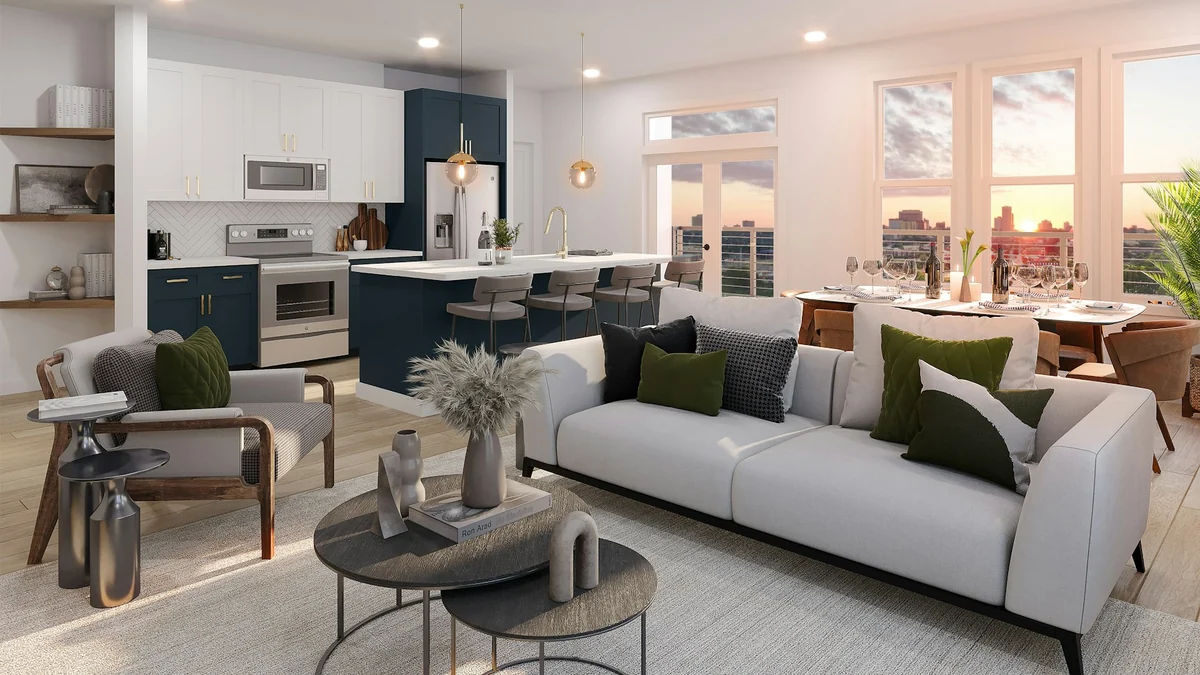
Use warm ambient light from ceiling lights, a reading lamp by the sofa and a feature such as a chandelier or wall lights, with the main lights on a dimmer. Aim for about 100 to 200 lux of general light. See ceiling lights and chandeliers.
Bedroom
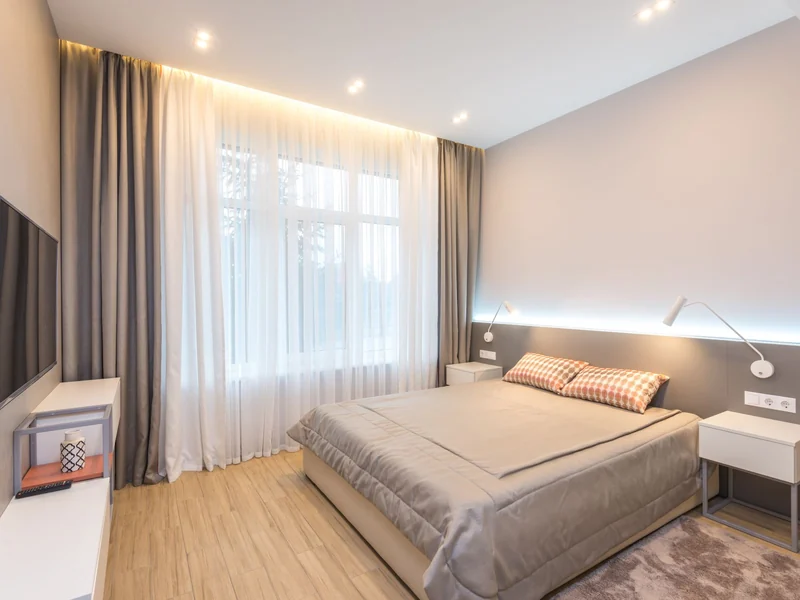
Keep it soft and warm: a dimmable ceiling or cove light, bedside lamps or wall lights for reading and no harsh central glare. See table lamps and wall lights.
Kitchen
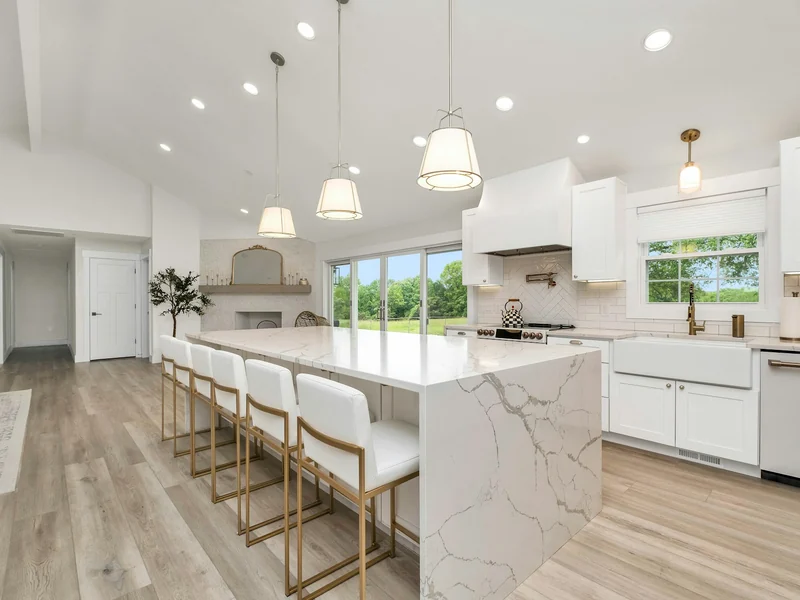
Kitchens need bright, even light, around 300 to 500 lux at work surfaces, with neutral white colour and under-cabinet lights so you do not cook in your own shadow. Add pendants over an island. See under-cabinet lights and pendant lights.
Study and home office
Use neutral white around 4000 K, a good ceiling light and an adjustable desk lamp placed to avoid shadows on the writing hand. Keep light off the screen, and avoid a bright window directly behind it. A small shelf light adds comfort and a warm background glow for video calls.
Bathroom
Use moisture-rated ceiling lights and lights at the mirror on either side to light the face evenly, rather than one light overhead. Choose warm white and keep fixtures sealed and away from direct splashes.
Hall, stairs and entrance
Use even ceiling light, wall lights to guide the way and a chandelier or large pendant as a welcome. Light stair edges softly for safety, and add sealed fixtures at the porch and gate; see outdoor lights. See chandelier size and height guide.
Choosing bulbs and colour
Use warm white in living rooms and bedrooms, neutral white in kitchens and studies, and keep one colour per room. Check lumens, not watts; see our LED bulb watt guide and LED bulbs.
Dimmers, switches and zones
Put each layer on its own switch or dimmer, so a room can move from bright cleaning light to a soft evening mood. Place switches near doors and label circuits, and use a dimmer made for LED. In open-plan homes, separate the zones so the dining area can be dimmed while the kitchen stays bright. Plan the switch positions with the electrician before plastering.Budget tips
Spend first on the lights you use daily, such as kitchen task lighting and bedside lamps, and add feature fixtures later. Basic LED bulbs and downlights cost little, so a full room can be lit for a modest sum, and one good pendant or chandelier gives the style. Compare written quotes on the same wattage, colour and warranty, and plan wiring early since changing it later is costly.Frequently Asked Questions
Think in three layers: ambient light for overall brightness, task light where you work or read and accent light for mood. Put each layer on its own switch or dimmer, choose warm or neutral colour for the room's use and plan wiring before the ceiling closes.
Warm ambient light from ceiling lights on a dimmer, a reading lamp by the sofa and a feature light such as a chandelier or wall lights. Aim for around 100 to 200 lux of general light, and avoid one harsh central fixture. Check the warranty terms and who honours them before you pay.
Bright, even neutral white light of about 300 to 500 lux at work surfaces, with downlights and under-cabinet lights so you do not cook in your own shadow. Add pendants over an island or table for style and focus. Measure carefully and confirm sizes with the supplier before ordering.
Softer than a living room, about 100 to 150 lux of general light, with warm white colour, a dimmer and bedside lamps for reading. Avoid harsh central lights, and use cove or wall lights for a calm evening glow.
Warm white, around 2700 to 3000 K, for living rooms and bedrooms, neutral white around 4000 K for kitchens, studies and bathrooms where you need clarity, and daylight only for garages and workspaces. Keep one colour within each room. If in doubt, send a photo and the measurements and we will advise.
Send the room size, the ceiling height and a photo on WhatsApp. We confirm what we can supply and reply with a written rate that lists the fixtures, the wattage and the bulbs, so you can compare quotes from different suppliers on the same scope.