False Ceiling Designs for Pakistani Homes: Types, Styles and How to Choose
Good false ceiling designs do three jobs at once: they hide wiring and uneven concrete, give the lighting a place to live, and set the mood of the room. This guide is the starting point for choosing. It explains the main materials, the most popular styles, how ceiling height limits what you can do, and which design suits each room, with links to a detailed page for every type and room. For the full list of what we supply, see the ceiling range.
What a false ceiling does
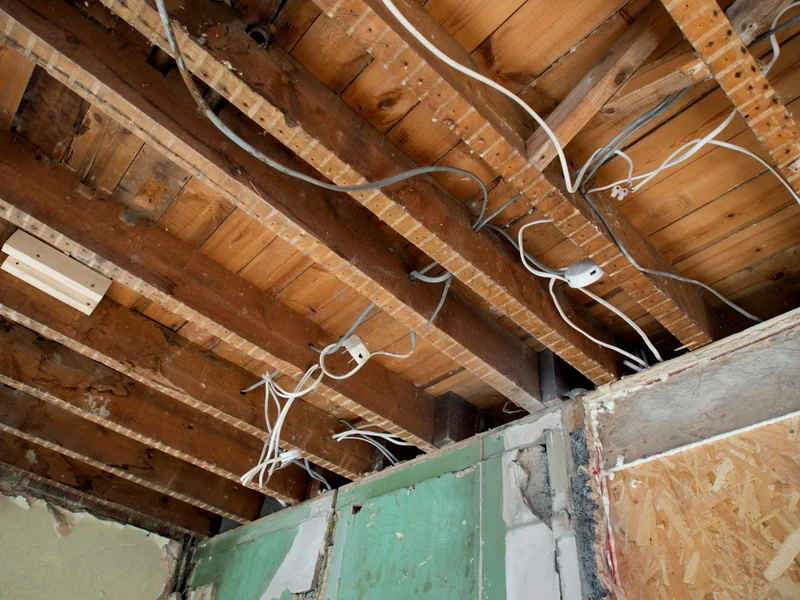
A false ceiling is a second ceiling fixed below the concrete slab. The gap above it hides cables, pipes and ducts, makes room for recessed lights and lets you shape the ceiling into steps, trays or curves. It can also lower a very high ceiling to a more comfortable scale and bring the light closer to the room.
It does not fix a leak, and it is not insulation by itself. If the slab is damp, repair the roof first; a false ceiling only hides the stain for a while.
The main types of false ceiling
Four materials cover almost every project. The table compares them, and each name links to a detailed guide.
| Type | Look | Best rooms | Main limit |
|---|---|---|---|
| Gypsum | Smooth, seamless, many shapes | Lounges, bedrooms, offices | Damaged by leaks |
| POP (plaster of paris) | Classic mouldings, ornate detail | Drawing rooms, halls | Heavy; cracks if the frame moves |
| PVC panels | Clean lines, many prints | Kitchens, bathrooms, bedrooms | Fewer sculpted shapes |
| Wooden slat | Warm, modern, textured | Lounges, entrances, offices | Not for damp rooms; higher cost |
Published rates for all four are on the ceiling hub; a worked cost example is in false ceiling cost per square foot.
Popular false ceiling styles
Style is separate from material. The same gypsum board can be a flat panel or a multi-level tray, and the same PVC can be plain or printed.
- Flat: a single plain level. The cleanest, quickest and most economical, and the base of simple ceiling design.
- Tray or step: a raised or dropped centre with a border. It adds depth and hides a beam or a cable run.
- Cove: a hidden LED strip in a recessed edge that washes light across the ceiling. See our cove ceiling page.
- Coffered: a grid of recessed squares, suited to tall formal rooms.
- Floating: a panel set below the main ceiling with light behind it, so it seems to hover.
- Curved: a wavy or round edge in gypsum, for lounges and entrance halls.
For modern looks that combine several of these, read fall ceiling design.
Which design suits which room
Each room has its own demands, so pick the design from the room outward. Open the page for your room below.
Ceiling height decides what is possible
A false ceiling takes height from the room, so check it before you choose a style. A flat gypsum ceiling needs only a few inches for the frame and boards. A cove or a stepped ceiling needs more, and recessed lights need clearance above the board for the fitting.
As a rule of thumb, leave the finished room tall enough to feel open, and avoid a heavy multi-level design in a low room. Where the room is low, use a flat or lightly stepped ceiling in a pale colour. The guide on false ceiling ideas for small rooms shows how.
Plan the lighting with the ceiling
Lighting is part of the design, not an afterthought. Decide where the downlights, the cove strip and any chandelier hook go before the frame is built, because moving them afterwards means cutting boards. Layer the light: a soft cove for mood, spots for tasks, and a central fitting where the room needs one.
Our guide to false ceiling lighting ideas covers placement and warmth.

Colour and finish
White and off-white are the safe choices because they bounce light and make a room feel taller. A soft tint in the cove or a slightly darker border can add character. Dark ceilings suit large, well-lit rooms and need careful lighting. See ceiling paint and colour design for finishes and combinations.
How to plan your design in five steps
- Measure the room and the ceiling height at several points.
- Choose the material from the room's moisture, weight and budget needs.
- Pick the style that suits the height and the furniture layout.
- Mark the lights and fittings before the frame goes up.
- Get a written quote showing the material, the frame, the lights and the labour.
For the build itself, see the false ceiling installation guide.
Common false ceiling mistakes
- Too many levels in a low room: the room feels crushed.
- Gypsum or POP in a damp room: use PVC where moisture is likely.
- Deciding lights after the frame: expensive changes later.
- Ignoring the slab: fix leaks and damp before hiding them.
- Comparing quotes without the scope: check frame, lights and finishing are included.
False Ceiling Designs: Frequently Asked Questions
A simple flat or lightly stepped gypsum ceiling with a cove light suits most Pakistani homes, because it looks clean, hides wiring and works with any furniture. Use PVC in kitchens and bathrooms, and keep ornate POP or coffered designs for large formal rooms.
They mean the same thing. Fall ceiling is the common local wording for a second ceiling hung below the slab. Both terms describe the same construction, whether it is made from gypsum, POP, PVC or wood, so use whichever is easier when you ask for a quote.
A flat gypsum ceiling needs only a few inches for the frame and boards. Cove, stepped and recessed light designs need more, depending on the fittings. Measure your ceiling height first and keep the finished room comfortably tall before choosing a multi-level design.
Gypsum is the most flexible for shapes and lighting in dry rooms, POP suits classic detail, PVC suits damp rooms and quick jobs, and wooden slats suit warm modern spaces. Choose by room moisture, weight, finish and budget rather than by looks alone.
Light PVC panels can be fitted and removed with less damage than gypsum or POP, but you should check your lease and get the owner's permission first. A false ceiling is fixed to the slab, so it leaves holes when it is taken down.
A false ceiling adds a layer and a small air gap, which can slightly slow heat from the slab. It is not proper insulation. For real heat reduction, add roof insulation above the slab or use insulation boards in the void.
Decide the cove strip, downlights and any chandelier hook before the frame is built, so the wiring and the supports are in the right place. Layer the light: soft cove light for mood, spots for tasks, and a central fitting only where it helps.
Send the room size, the ceiling height, the material you prefer and a photo on WhatsApp. We reply with a written rate that shows the board, the frame, the lights and the labour, so you can compare quotes on the same scope.
Planning a false ceiling?
Send the room size and a photo. We suggest a design and quote it in writing.