The three materials in one paragraph each
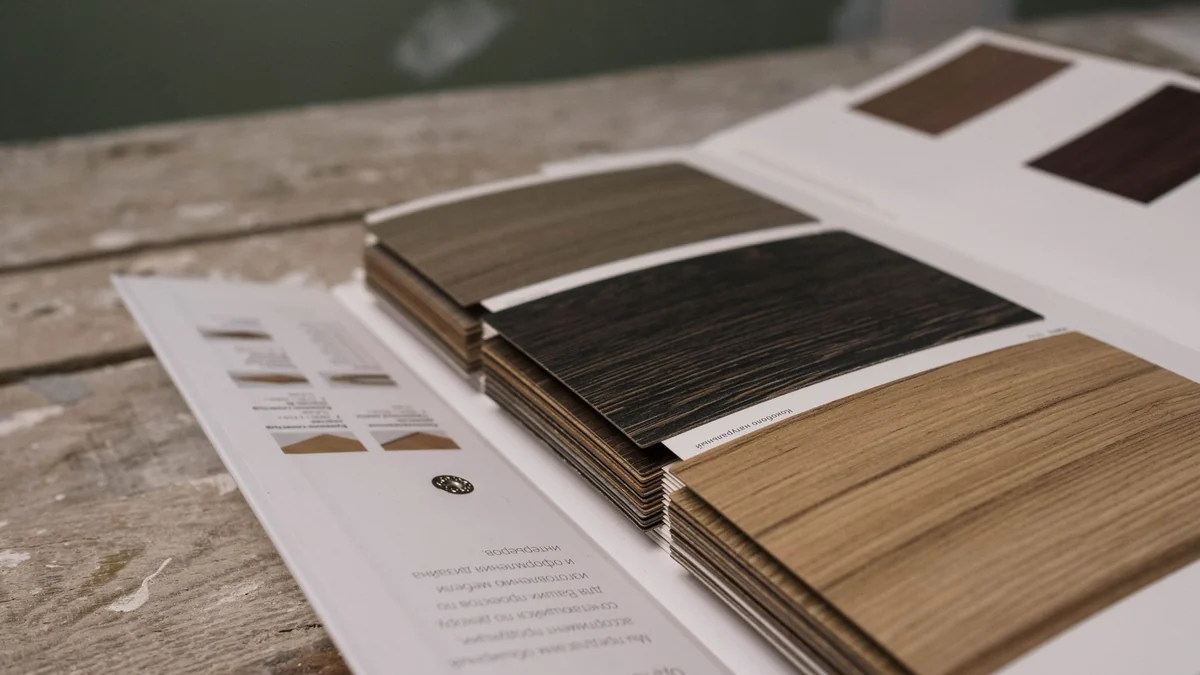
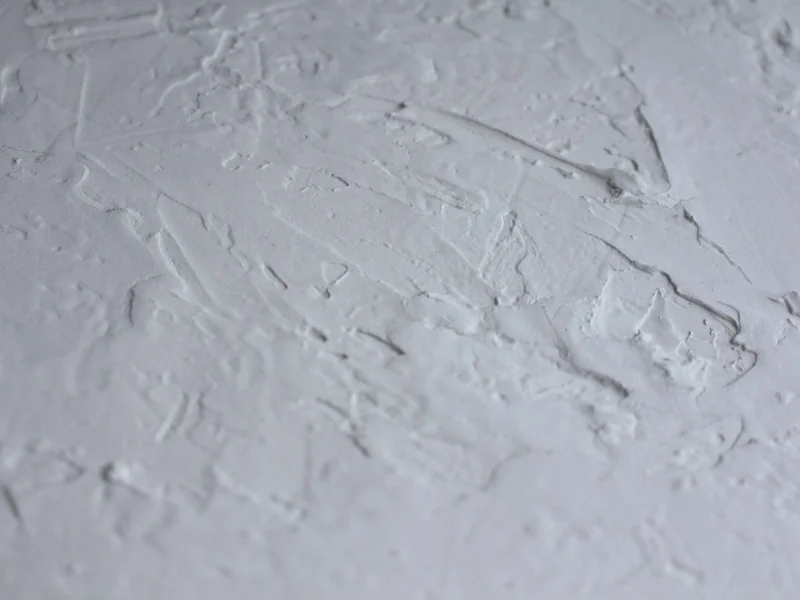
POP is wet plaster applied on a frame. It can be shaped into mouldings, cornices and medallions and repaired locally, but it is heavier and more likely to crack. Gypsum board is a factory sheet screwed to a metal frame. It gives a smooth, light, seamless ceiling with steps, coves and curves, but it is damaged by water. PVC is a waterproof plastic panel. It is quick, clean and economical, with fewer shapes.
Deeper guides: POP ceiling design, gypsum false ceiling and PVC ceiling design.
Side-by-side comparison
The table puts the three side by side on the points that decide most projects.
| POP | Gypsum board | PVC panels | |
|---|---|---|---|
| Published rate level | PKR 80 - 150 per sq ft | PKR 85 - 130 plain, 130 - 200 cove | PKR 65 - 120, material only |
| Moisture | Poor | Poor, better in green board | Excellent |
| Weight | Heavy | Light | Very light |
| Design freedom | Highest for ornate detail | High for steps, cove, curves | Low to medium |
| Speed | Slowest, wet work | Medium | Fastest |
| Repair | Patch locally | Replace or re-tape a section | Replace a strip |
| Cracks | Can crack if the frame moves | Joints can show if poorly finished | None, but joints are visible |
Rates are the ranges on the ceiling hub; read false ceiling cost per square foot for a worked example.

Cost: what the ranges tell you
PVC is the lowest published rate, but it is material only and installation is extra. Plain gypsum and POP sit in a similar band, and cove, coffered or ornate work costs more in both. The right comparison is the complete installed price for your design, not the headline rate. Ask for quotes with the same scope.
Moisture: the deciding factor in wet rooms
POP and standard gypsum are damaged by water, so they do not belong in kitchens and bathrooms. PVC does not absorb water and is the safe default in damp rooms. Moisture-resistant gypsum helps in kitchens with good ventilation but is not waterproof. If your room has a leak or damp wall, fix the cause, then pick PVC or a cement-based board.
Design freedom
For ornate cornices, medallions and carved detail, POP wins. For modern layered ceilings, cove light and smooth curves, gypsum wins. For plain, clean, quick ceilings, PVC wins. Many homes combine them: gypsum in the lounge, POP mouldings in the drawing room and PVC in the kitchen and bathrooms.
Repairs and lifespan
POP is easy to patch because a plasterer can refinish a section, but it can crack if the frame moves. Gypsum can be re-taped and repainted, and a stained section can be replaced. PVC strips can be swapped, but panels can yellow in strong heat or sun. In dry rooms with sound frames, all three last many years. For fixes, see the false ceiling repair guide.
Which to choose in each room
Use this as your quick decision guide.
| Room | Best choice | Why |
|---|---|---|
| Living room, lounge | Gypsum | Cove, steps and clean finish |
| Drawing room, hall | POP or gypsum with POP details | Classic mouldings |
| Bedroom | Gypsum or PVC | Calm, simple, budget-friendly |
| Kitchen | PVC | Steam and grease |
| Bathroom | PVC | Moisture |
| Office | Gypsum or tiles on a grid | Access and lighting |
Mixing materials in one home
There is no rule that one home needs one material. Use gypsum or POP where design matters in dry rooms, and PVC in wet rooms and utility spaces. Keep the colours and the lighting consistent so the ceilings feel like one scheme. Our guide to false ceiling designs shows how to coordinate.
POP vs Gypsum vs PVC: Frequently Asked Questions
None is best everywhere. Gypsum is the best all-round choice for modern dry rooms, POP is best for ornate classic detail, and PVC is best for wet rooms and quick, economical jobs. Choose by room moisture, design and budget rather than by material alone.
PVC has the lowest published rate per sq ft, though installation is extra. Plain gypsum and POP are in a similar band, with cove, coffered and ornate work costing more. Compare complete installed quotes with the same scope, since a low rate that leaves out the frame is not cheaper.
PVC, because it does not absorb water and wipes clean. POP and standard gypsum are damaged by moisture and steam, and should be avoided in kitchens and bathrooms. Moisture-resistant gypsum can work in a ventilated kitchen but is not waterproof.
In a dry room with a sound frame, all three last many years. POP and gypsum can crack or stain if the frame moves or a leak occurs, while PVC can yellow in strong heat. Fix leaks quickly and keep the void dry to extend the life of any ceiling.
Yes. A common approach is a gypsum board base for a clean, light ceiling with cove lighting, and POP mouldings or a medallion added where classic detail is wanted. Plan the frame and weight for the heavier POP parts, and fix chandeliers to the slab.
Send the room list, the ceiling heights and photos on WhatsApp. We suggest a material for each room, explain the trade-offs and give a written rate showing the board, the frame, the lights and the labour so you can compare on the same scope.