Gypsum False Ceiling: How It Is Built, Which Types Exist and Where It Works
A gypsum false ceiling is the most common modern ceiling in Pakistani homes, offices and shops. It is built from plasterboard sheets screwed to a light metal frame, then jointed and painted into one smooth surface that can take cove lights, steps and curves. This guide explains how the system is built layer by layer, the main types, where it works and where it does not. For the service in the city, see gypsum ceiling in Lahore.
How a gypsum false ceiling is built
The system has four layers, and each affects the result.
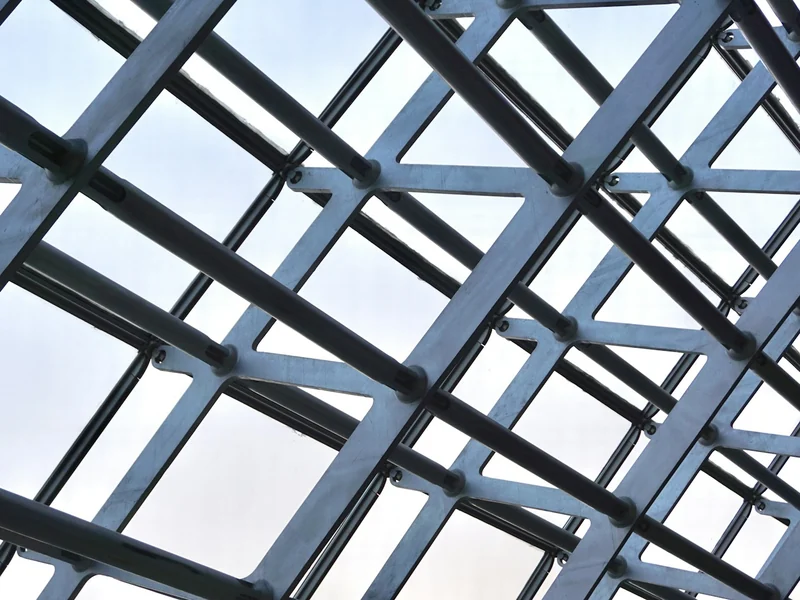
- Hangers: wires or rods fixed to the concrete slab that carry the weight.
- Metal frame: main channels and cross channels forming a grid, with an angle around the wall.
- Gypsum boards: sheets screwed to the frame, in standard, moisture-resistant or fire-rated types.
- Finish: joint tape, jointing compound, sanding, primer and paint, which make the surface seamless.
Quality depends on the frame spacing and the jointing. A weak frame sags, and poor jointing shows cracks along the seams.
The boards: standard, moisture-resistant and fire-rated
Board choice depends on the room. Standard ivory board suits dry rooms. Green, moisture-resistant board suits kitchens and utility areas, though it is not waterproof. Fire-rated board is used in corridors and commercial buildings. Common thicknesses are 9.5 mm and 12.5 mm, in sheets of 4 x 8 ft. Details on board types and rates are in our gypsum board price guide.
Types of gypsum false ceiling
The same board can make very different looks.
| Type | Look | Best for |
|---|---|---|
| Flat | Plain single level | Bedrooms, offices, low rooms |
| Tray or step | Raised or dropped centre | Lounges, bedrooms |
| Cove | Hidden LED strip in a recess | Lounges, master bedrooms |
| Coffered | Grid of recessed squares | Tall halls, formal rooms |
| Curved | Wavy or round edges | Entrances, feature areas |
For styles in context, see false ceiling designs.
Why gypsum is so popular
- Smooth, seamless finish: it paints like a plastered wall.
- Design freedom: steps, cove and curves are all possible.
- Hidden services: wiring and lights sit in the void.
- Dry, cleaner install: faster and cleaner than wet plaster.
- Light weight: lighter than POP for the same area.
Limits to know before you choose gypsum
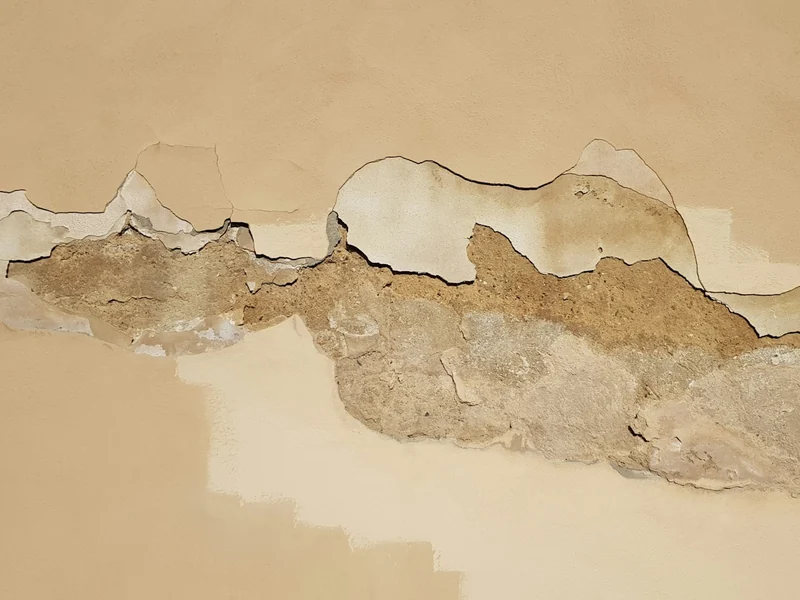
Gypsum is damaged by water. A roof leak or a plumbing leak above will stain and soften the board, so fix leaks first and avoid gypsum in steamy rooms unless it is a moisture-resistant grade with good ventilation. It also needs access hatches where valves or junctions sit above the ceiling.
For kitchens and bathrooms, a PVC ceiling is often safer; see gypsum ceiling vs PVC ceiling.
Lighting and services
Recessed downlights, cove strips and hidden speakers all work well in gypsum. Plan the points before the frame is built. Downlights need clearance above the board and cut-outs that match the fitting. More layouts are in false ceiling lighting ideas.
Care and lifespan
A well-built gypsum ceiling in a dry room can last many years. Dust it gently, repaint when it looks tired, and repair hairline cracks early. For stains or sagging, find the cause first. See the false ceiling repair guide.
What affects the cost
The cost depends on the board type, the frame, the number of levels, the lighting and the finish. A flat ceiling costs least, and cove, coffers and curves cost more. Published rates are on the ceiling hub, and the build is explained in the false ceiling installation guide.
Gypsum False Ceiling: Frequently Asked Questions
A gypsum false ceiling is a second ceiling made from gypsum plasterboard sheets screwed to a light metal frame hung from the slab. The joints are taped and finished so the surface is seamless and paintable, and it can hold cove lighting, steps and curves.
In a dry room with a sound frame and good jointing, a gypsum ceiling can last many years. Leaks, damp and a weak frame shorten its life. Repaint when needed, repair small cracks early and fix any leak above as soon as it appears.
Only in a moisture-resistant grade with good ventilation, and away from direct steam and grease. Even green board is not waterproof. For kitchens and bathrooms, PVC panels are often more durable. Fit an exhaust fan and keep the void above the ceiling dry.
9.5 mm is the most common for homes, and 12.5 mm is used where more rigidity, better sound reduction or a more demanding finish is needed. Sheets are usually 4 x 8 ft. The frame spacing matters as much as the board thickness.
Not directly. A chandelier must hang from the concrete slab through a hook or hanger fixed before the ceiling is closed, and the ceiling is finished around a plate or medallion. Tell the contractor the weight and the position at the start.
Send the room size, the ceiling height, a photo and the style you like on WhatsApp. We reply with a written rate showing the board, the frame, the lights and the labour so you can compare quotes on the same scope.
Planning a gypsum ceiling?
Send the room size and a photo. We suggest a design and quote it.