PVC Vinyl Flooring in Pakistan: Sheet, LVT and SPC Types Explained
PVC vinyl flooring is the most popular flooring choice for Pakistani homes and offices because it is waterproof, quick to fit and available in realistic wood and stone looks. The name covers three quite different products: sheet, LVT planks and tiles, and rigid SPC. This guide explains how the layers work, how the three types differ, where each belongs and how to choose, with links to a detailed page for each. For the full range we supply, see the flooring range.
What PVC vinyl flooring is
PVC vinyl flooring is a floor covering made mainly from polyvinyl chloride. It is made as thin rolls, as planks or tiles, or as rigid boards, and it carries a printed layer that copies wood, stone or concrete. Because PVC does not absorb water, it is a practical choice for kitchens, bathrooms, offices and anywhere a floor gets wet or heavy use.
It is usually fitted over a flat, dry subfloor, either glued down or clicked together, with no wet trades and little dust.
How a vinyl floor is built
Most vinyl floors share the same structure, even though the thickness and the core differ.
- Wear layer: a clear top coat that resists scratches and scuffs. A thicker wear layer lasts longer in busy rooms.
- Print layer: the photographic wood or stone pattern.
- Core: flexible vinyl for sheet and LVT, or a rigid stone-plastic core for SPC.
- Backing or underlay: a base layer that adds grip, sound reduction and comfort, built in on many click floors.
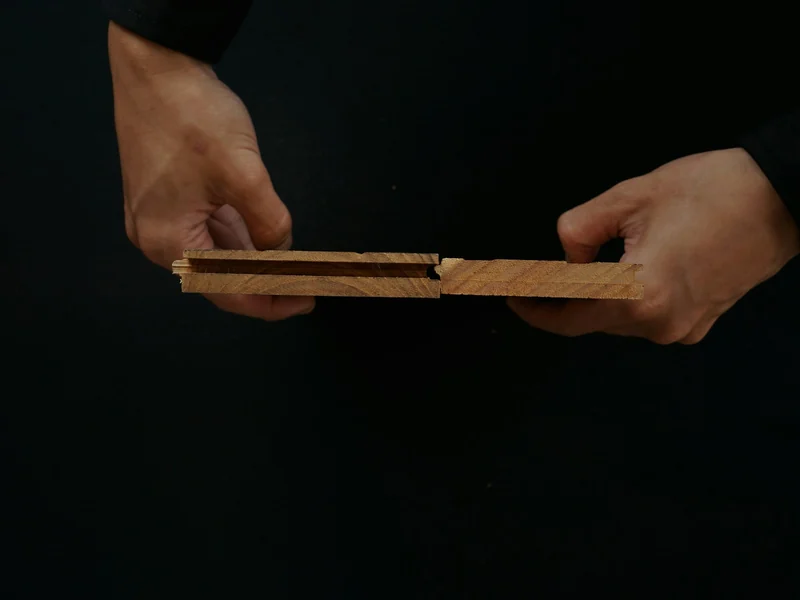
Sheet, LVT and SPC compared
These three products are all vinyl, but they suit different jobs.
| Type | What it is | Best for | Watch for |
|---|---|---|---|
| Sheet vinyl | A thin roll laid in one piece, glued down | Budget, utility rooms, large flat areas | Needs a very flat subfloor |
| LVT planks and tiles | Flexible planks or tiles, glued or clicked | Homes and offices, realistic looks | Softer, can dent under heavy loads |
| SPC rigid core | A hard stone-plastic core with click joints | Kitchens, bathrooms, high traffic | Feels firmer, costs more |
Published rates are on the vinyl flooring price page.
Thickness and wear layer
Sheet vinyl is thin, usually about 2 mm. LVT and click planks are commonly around 4 mm, and SPC runs from about 4 mm up to 8 mm. Thickness is not the whole story: a thicker wear layer, not a thicker plank, is what resists scratches in a busy room. Ask for the wear layer thickness in the quote, since two floors of the same overall thickness can wear very differently.
Which rooms suit vinyl
Vinyl suits almost every room because it is waterproof, easy to clean and comfortable underfoot. It is the safe choice in kitchens and bathrooms, where wooden floors can warp, and in apartments where the floor must be thin and light. It is also a good choice for offices, shops, clinics and classrooms.
Avoid it where a heavy point load or sharp furniture will stand for years without protectors, and over a damp or very uneven subfloor.
Preparing the subfloor
A vinyl floor copies the surface under it. The subfloor should be clean, dry, hard and flat, with cracks and holes filled and high spots ground down. Glued sheet and LVT need an especially smooth surface, while click SPC tolerates small variations better. Moisture from the slab must be checked before fitting. Our guide on how to install vinyl and SPC flooring gives the steps.

Cleaning and care
Sweep or vacuum regularly and mop with a damp cloth and a mild cleaner. Avoid harsh solvents, steam mops on some products and abrasive pads. Put felt pads under furniture, and wipe up spills promptly. A good vinyl floor needs little more than this for many years.
What changes the price
The rate depends on the type, the thickness, the wear layer, the brand and the pattern. Sheet is the lowest, LVT is in the middle and SPC is higher. Fitting is a separate add-on. We publish ranges on the vinyl flooring price page, and the roll product has its own floor sheet price page. For a quick estimate, use the flooring cost calculator.
PVC Vinyl Flooring: Frequently Asked Questions
PVC vinyl flooring is a waterproof floor covering made mainly from polyvinyl chloride, sold as sheets, planks, tiles or rigid boards with a printed wood or stone look. It is quick to fit, easy to clean and suits kitchens, bathrooms, homes and offices.
Vinyl is the family name. Sheet vinyl is a thin roll, LVT is flexible planks or tiles, and SPC is a rigid board with a stone-plastic core and click joints. SPC is harder and more stable, LVT is softer underfoot, and sheet is the most economical.
The vinyl itself does not absorb water, so spills and wet cleaning do not damage it. Water that gets under the floor through gaps can still cause problems, so seal edges in wet rooms and keep the subfloor dry. Choose SPC or sealed-seam sheet for bathrooms.
A good vinyl floor can last many years in a home, depending on the wear layer, the traffic and the care. Thicker wear layers last longer in busy rooms. Felt pads under furniture, regular cleaning and prompt spill removal help any vinyl floor stay in good condition.
Often yes, if the tiles are firmly fixed and the surface is flat and clean. Deep grout lines can show through thin vinyl, so fill or skim them first. Click SPC copes better with small variations than glued sheet or LVT. Ask for a site check first.
Vinyl is better for wet rooms, tight budgets and low upkeep, while wood gives a genuine natural look and can be refinished. Vinyl is the safer choice in kitchens and bathrooms. See our vinyl vs laminate vs wooden flooring guide for a full comparison.
Measure the floor area in square feet and add about 10 per cent for cuts and waste. For example, a 12 x 14 ft room is 168 sq ft, so order about 185 sq ft. Pattern matching and diagonal layouts need a little more.
Send the room size, a photo and the type you prefer on WhatsApp. We reply with a written rate showing the flooring, any underlay and trims, and the fitting if you want it, so you can compare quotes on the same scope.
Need vinyl flooring quoted?
Send the room size and a photo. We reply with a written rate.