Fan Regulator Price in Pakistan: Step, Electronic and Smart Types, Fit for AC and Inverter Fans and Safe Fitting
Fan regulator price in Pakistan runs from about PKR 250 for a basic step regulator to about PKR 4,500 for a smart unit, depending on the type and the finish. A fan regulator, also called a fan dimmer, changes the speed of a ceiling or table fan, and the right type depends on whether the fan is a conventional AC fan or an inverter fan. This page explains the types, which fans they suit, indicative rates and how to fit one safely. Fixed wiring should be done by a licensed electrician. See ceiling fans and DC inverter ceiling fans for the fans themselves.
What a fan regulator does
A regulator lowers the voltage or the power sent to the fan motor, so the fan turns slower. It sits on the wall with the switch, or inside the fan, and gives a set of speed steps or a smooth dial. A regulator is meant for conventional AC fans. Inverter fans usually use a remote and do not accept a standard regulator.
Types of fan regulator
- Step regulator. Uses a coil or a resistor with five speeds. Heavy, warm and cheap.
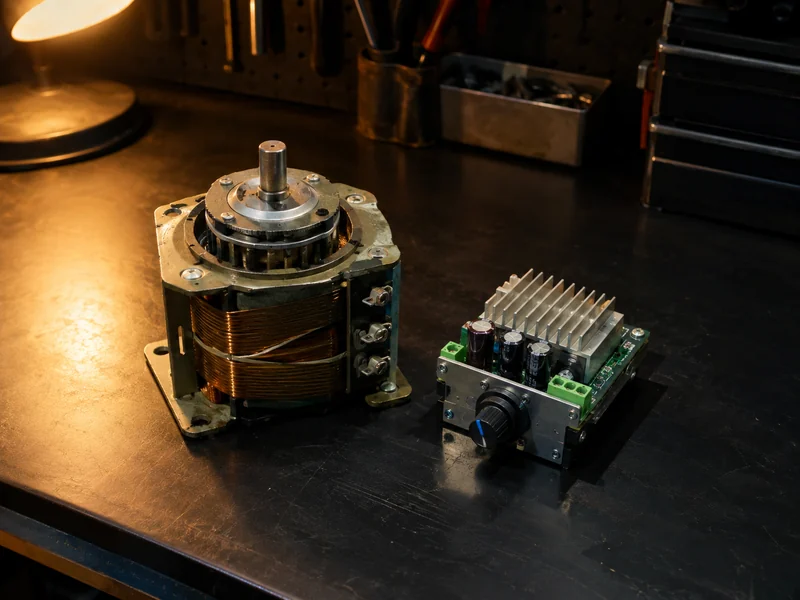
- Electronic regulator. Uses a triac for smooth control. Light, cool and quiet.
- Capacitor regulator. A simple, old type that can hum.
- Smart regulator. Controlled from a phone or a remote, for use with compatible fans.
Fan regulator price in Pakistan
Rates depend on the type, the plate finish and the brand. These figures are indicative market ranges.
| Item | Indicative range |
|---|---|
| Basic step regulator, 5 speed | PKR 250 - 600 |
| Electronic regulator, standard plate | PKR 500 - 1,200 |
| Modular flush-plate regulator | PKR 700 - 2,000 |
| Smart fan speed controller | PKR 2,000 - 4,500 |
Prices move with brand, model, size and stock. Use these ranges to judge a quote, then compare the exact model and what is included.
Which fans work with a regulator
Conventional AC ceiling and pedestal fans work with a regulator. AC DC and inverter fans have a built-in controller and are normally speed-controlled by a remote or a dedicated control, so do not wire a regulator in series unless the maker says so. Check the manual before you buy. See the ceiling fan size and wattage guide for how fan load affects the choice.
Step or electronic
A step regulator wastes some power as heat and is bulky, but it is tough and cheap. An electronic regulator is smaller, cooler and gives smooth speeds, though a poor one makes the fan hum at low speed. For a bedroom, an electronic regulator feels better. For a workshop or a shop, a step regulator is a durable choice.

Fitting a regulator
Fixed wiring should be done by a licensed electrician. Switch off at the breaker, connect the live wire in and out of the regulator as marked, and keep the neutral and earth connected as before. Do not exceed the regulator's watt rating, which is printed on the label, and leave a gap around it, because it warms up. Check that the plate fits your wall box.
Problems and fixes
If the fan hums at low speed, the regulator may not suit the motor, so try another type or check the capacitor in the fan. A regulator that gets hot is overloaded or failing. A fan that will not slow down points to a bad regulator or wiring. Replace the regulator rather than trying to repair it.
Choosing and buying
Match the regulator to the fan type and the watt load, choose a plate that fits your switchboard and buy from a known brand. Our switch and socket brands guide covers the makers of modular plates. Keep the receipt for warranty.
Frequently Asked Questions
A basic step regulator costs about PKR 250 to 600, an electronic regulator about PKR 500 to 1,200, a modular flush-plate regulator about PKR 700 to 2,000 and a smart fan speed controller about PKR 2,000 to 4,500, depending on type and brand.
Usually not. Inverter and AC DC fans have their own controller and are run by a remote or a dedicated control. Wiring a standard regulator in series can damage the electronics. Check the fan manual or ask the maker before fitting one.
A step regulator uses a coil or resistor, is heavy, warm and durable. An electronic regulator uses a triac, is light, cool and smooth, but can hum on some motors at low speed. Both suit conventional AC fans. Pick by room and by the sound you can accept.
Humming on low speed is common with some electronic regulators and some motors. Try a different regulator type, check the capacitor in the fan and make sure the load is within the regulator's rating. A fan that hums badly may need service.
Fixed wiring should be done by a licensed electrician. Switch off at the breaker first, and connect the wires as marked. A loose terminal or an overloaded regulator can overheat, so it is best done by someone who knows the wiring.
Send the fan type, the number of fans and the plate style on WhatsApp. We confirm what we can supply and reply with a written rate that lists the model, watt rating and warranty, so you can compare quotes from different sellers on the same scope.
Need a fan regulator?
Send the room size, the item and a photo. We reply with a written rate.