Epoxy Flooring in Pakistan: Systems, Application Process and Where It Works
Epoxy flooring turns a plain concrete slab into a seamless, glossy, easy-to-clean surface, which is why it is used in garages, factories, warehouses, kitchens, clinics and, increasingly, in modern homes with metallic and 3D finishes. It is also one of the most workmanship-sensitive floors you can buy, so understanding the systems and the process helps you judge a quote. This guide covers the main systems, the steps, curing, the pros and cons, and links to our price guides and city pages. For other waterproof floors, see waterproof flooring.
What epoxy flooring is
Epoxy flooring is a resin system: two liquid parts, a resin and a hardener, are mixed and applied to concrete, where they cure into a hard, seamless, plastic-like surface. It bonds to the slab, has no joints and resists water, oil and chemicals. The finish can be plain colour, speckled, metallic or graphic.
It is a coating system, not a tile or a sheet, so the quality of the surface preparation and the application decides almost everything.
The main epoxy floors systems
Different systems suit different jobs and budgets.
| System | What it is | Best for |
|---|---|---|
| Epoxy paint or thin coating | One or two thin coats over a primer | Garages, stores, light-duty areas |
| Self-levelling epoxy | A poured layer a few millimetres thick that settles flat | Showrooms of goods, clinics, kitchens, homes |
| Flake or quartz broadcast | Coloured chips or sand scattered into wet resin | Anti-slip areas, workshops, commercial kitchens |
| Metallic epoxy | Pigments swirled in the resin for a marbled look | Living rooms, retail, feature floors |
| 3D epoxy | A printed graphic layer sealed under a clear coat | Feature floors, bathrooms, entrances |
Costs and quoting are explained in epoxy floors price; the thin coating product is covered in epoxy floor paint price.
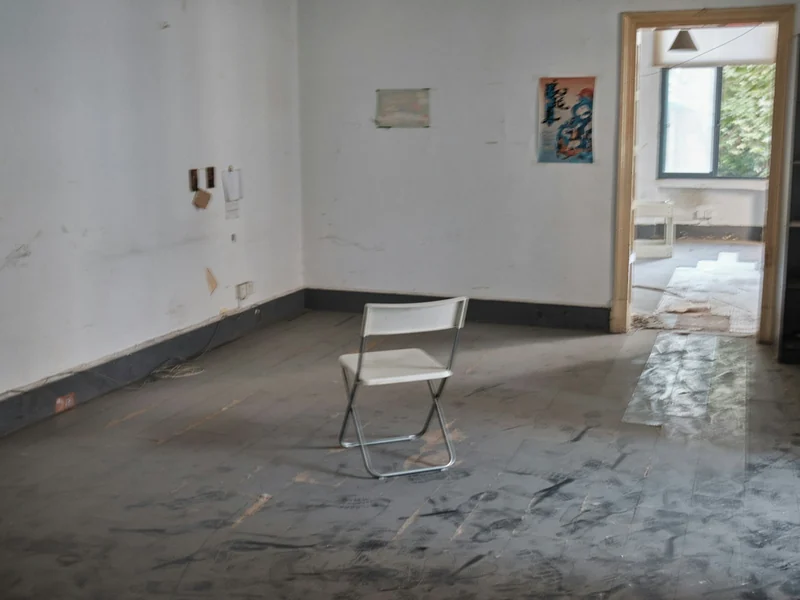
How epoxy floors is applied
- Assess the slab: check cracks, damp and the age of the concrete, which must be fully cured.
- Prepare the surface: grind or shot-blast to remove laitance and open the pores, then repair cracks and holes.
- Prime: a primer penetrates the concrete and bonds the coating.
- Apply the body coat: mixed resin is poured and spread to the specified thickness, with any flakes, pigments or graphics added.
- Seal: a clear or protective topcoat gives gloss, abrasion resistance and UV stability.
- Cure: the floor is left to harden before traffic.
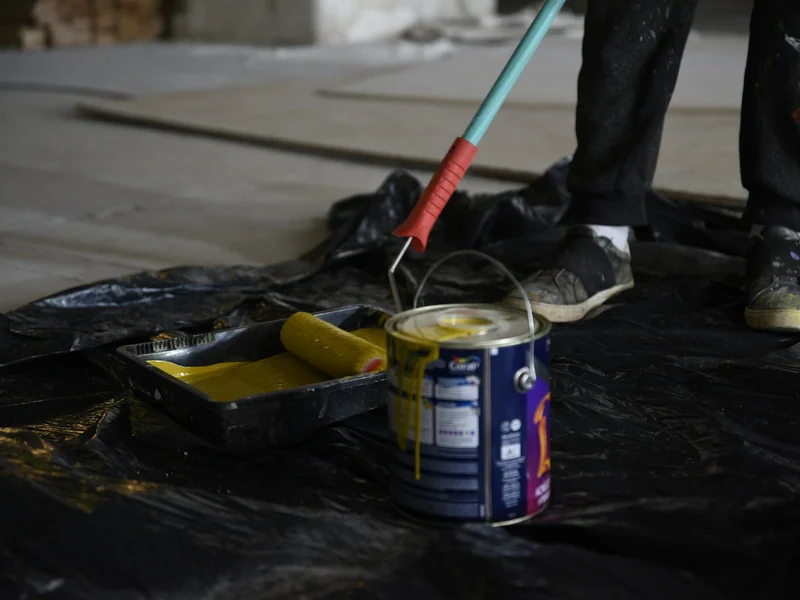
Why surface preparation decides success
Most epoxy failures, such as peeling, bubbling and patchy gloss, trace back to poor preparation. The slab must be clean, dry and mechanically prepared, not just swept. Moisture rising through the slab can push the coating off, so a moisture test is needed, especially on ground floors. Ask the installer how they will prepare and test the surface.
Curing and when you can use the floor
Epoxy is touch-dry fairly soon, but full strength takes days. Plan for foot traffic after a short time and heavier use, such as parking cars, after the longer cure the product specifies. Temperature and humidity change cure times, so follow the maker's data sheet, and keep the area ventilated during application because of the fumes.
Advantages and drawbacks
- Seamless and hygienic: no joints for dirt and bacteria to hide.
- Durable: resists oil, many chemicals and heavy traffic.
- Many looks: plain, flake, metallic and 3D.
- Can be slippery when wet: add an anti-slip aggregate where needed.
- Hard and cold underfoot, and cracks in the slab can reflect through.
- Workmanship-sensitive: poor application is hard to correct.
Where epoxy floors is used
Common uses are garages, car parks, warehouses, factories, workshops, commercial kitchens, hospitals and clinics, laboratories, shops and, with decorative systems, homes. Pick the system by the demands of the space: anti-slip for wet areas, chemical-resistant for workshops, decorative metallic or 3D for living spaces.
Cleaning and care
Sweep and mop with a mild cleaner. Avoid harsh solvents and abrasive pads, and wipe oil and chemical spills quickly. Use mats under heavy wheels and furniture feet. A topcoat can be renewed after years of wear, which restores the gloss without replacing the floor.
Epoxy Flooring: Frequently Asked Questions
Epoxy flooring is a seamless coating made from a two-part resin and hardener that is applied to a prepared concrete slab and cures into a hard, glossy surface. It resists water, oil and many chemicals, and is used in garages, factories, kitchens, clinics and modern homes.
A well-prepared and well-applied epoxy floor can last many years, depending on the system, the traffic and the care. A thin coating wears faster than a thicker self-levelling system, and a refreshed topcoat extends the life of the floor without removing it.
A smooth glossy epoxy floor can be slippery when wet. For ramps, wet areas and kitchens, use an anti-slip aggregate or a flake broadcast system for grip. Tell your installer the use of the space, so the right texture is specified.
Yes, if the slab is sound, clean and dry, and is mechanically prepared by grinding or blasting. Cracks and holes must be repaired, and moisture must be tested. Epoxy over damp or weak concrete is likely to peel, so ask for a site check first.
Light foot traffic is usually possible after a short time, but full strength, for vehicles and heavy use, takes several days depending on the system and conditions. Follow the product's data sheet, and allow extra time in cool or very humid weather.
Once fully cured, epoxy is stable and easy to clean, and metallic and 3D finishes are used in homes. During application, fumes need ventilation, and the area should be kept free of people, pets and food until it is safe. Hire an experienced installer.
Epoxy paint is a thin coating that suits light-duty areas such as garages and stores, while epoxy floors usually means a thicker system, such as self-levelling, flake or metallic, with a proper topcoat. Thicker systems last longer and cost more.
Send the area, the use of the space, a photo and the look you want on WhatsApp. We reply with a written plan showing the system, the preparation and the finish, so you can compare quotes on the same scope and the same thickness.
Planning an epoxy floor?
Send the area and the use. We reply with a written plan and rate.