Straight and brick layouts
A straight layout lines tiles in a clean grid, with the joints continuing in both directions. It looks modern and uses the least tile. A brick or running bond layout offsets each row, usually by half or by a third for long tiles, and it hides small wall irregularities.
Both suit any room. Straight is the calmest choice for large floors, and brick bond is the classic for metro tiles on kitchen and bathroom walls.
Diagonal layouts
Laying square tiles at 45 degrees makes a room seem wider and hides an out-of-square floor. It also adds interest to a plain tile. The cost is extra cutting along every edge, more waste, and slower, more expensive labour.
Diagonal works best in medium and large rooms. In a small room the many cut pieces at the edges can look fussy.

Herringbone and chevron
In a herringbone, rectangular tiles meet at right angles in a zigzag. In a chevron, the ends are cut at an angle so the pattern forms continuous arrows. Both give movement and a high-end feel, and they work beautifully with wood-look planks and metro tiles.
They need accurate setting out and the most skilled cutting, so expect the highest labour charge and waste of 15 to 20 percent. Use herringbone on a feature floor or a splashback rather than a whole house.
Basketweave and mosaics
Basketweave pairs rectangles in alternating directions, forming a woven look that suits a bathroom floor or a hallway. Small mosaic sheets simplify the work, because the fitter lays a whole sheet at once, and the many joints give a good grip on a wet floor.
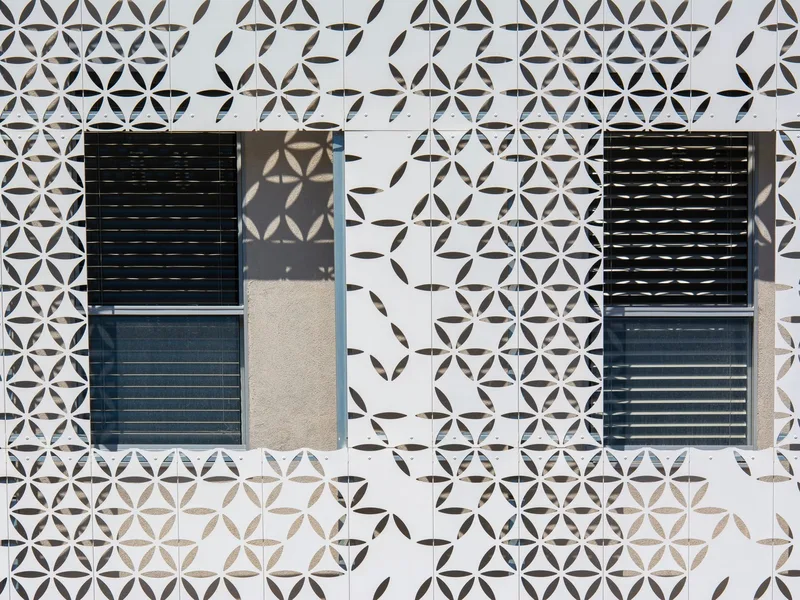
How tile size changes the pattern
Small tiles give a busy, detailed pattern, while large tiles give a bold one with fewer joints. A herringbone in a 2x8 inch tile looks delicate, and in a 6x24 inch plank looks dramatic. Pick the size to suit the room, and keep patterns simple if the tile itself is highly decorative.
Waste and labour cost
Patterns that need more cutting waste more tile and cost more to fix. These are typical figures in Pakistan.
| Item | Rate |
|---|---|
| Straight layout, labour per sq ft | PKR 40 - 80 |
| Diagonal layout, labour per sq ft | PKR 55 - 100 |
| Herringbone, labour per sq ft | PKR 80 - 150 |
| Mosaic or basketweave, per sq ft | PKR 80 - 160 |
| Waste allowance | 10 - 20 percent |

Choosing a pattern by room
Bathrooms suit straight, brick and mosaic layouts that follow a sloped floor. Kitchens suit brick bond and herringbone on the splashback, with a straight layout on the floor. Living rooms and hallways suit straight, diagonal or herringbone on a feature area. Bedrooms are best kept calm with a straight layout or long planks.
Planning tips
Dry-lay a few rows before fixing, so you can see the pattern and adjust. Start from the centre of the room or the main focal wall, not from a corner, so cuts at the edges are balanced. Keep the joint lines straight with a laser or string, and use spacers or levelling clips.
Choose one pattern per area. Mixing several in adjoining rooms makes a house feel disjointed.
Frequently Asked Questions
A straight layout, which needs the least cutting and wastes only about 10 percent of tile. Labour is usually PKR 40 to 80 per square foot. Diagonal, herringbone and basketweave all need more cutting and cost more to fix. Straight layouts also leave the fewest broken pieces, so the tile bill stays lower too.
A diagonal layout makes a room seem wider, and large tiles in a straight layout with thin joints make it feel open. Plank tiles laid along the longest wall also stretch the space visually. Avoid busy patterns in very small rooms, where they have the opposite effect.
Usually 15 to 20 percent, because of the angled cuts at the edges. A straight layout needs about 10 percent. Ask the fitter to estimate waste from a sketch of the room before you order the tile. Keep the spares in the store, as the same batch may not be available later for repairs.
In herringbone the rectangular tiles meet at right angles to form a zigzag. In chevron the tile ends are cut at an angle so the points align into continuous arrows. Chevron is neater but costs more to fix. Herringbone is the easier and cheaper of the two and works well with most plank sizes.
Dry-lay a few rows, start from the room centre so edge cuts are balanced, and keep joint lines straight with a laser or string. Use spacers or levelling clips, and decide the layout before ordering so the quantity is correct.
Yes. We supply metro tiles, wood-look planks and mosaic sheets from stock and deliver across Pakistan. Send your room size and the pattern you like on WhatsApp and we will suggest suitable tiles and send a written rate with quantities.